Avodat HaTikkun
The second writing of a framework rebuilt after its own dissent: what Jewish thought owes the modern human capacity to prevent suffering at scale.
Torah, technology, and the human future
Ancient questions meet new forms of intelligence, power, and possibility.
How this project is made
Before the book and the essays, begin here: a note on dyslexia, decades of reading, dictation, frontier AI models, and where authorship still lives.
A small book about the trust beneath an ordinary life, and the Hebrew word for learning to notice it.
The reading room
Long-form essays that take faith seriously enough to question it, and questions seriously enough to live with them.
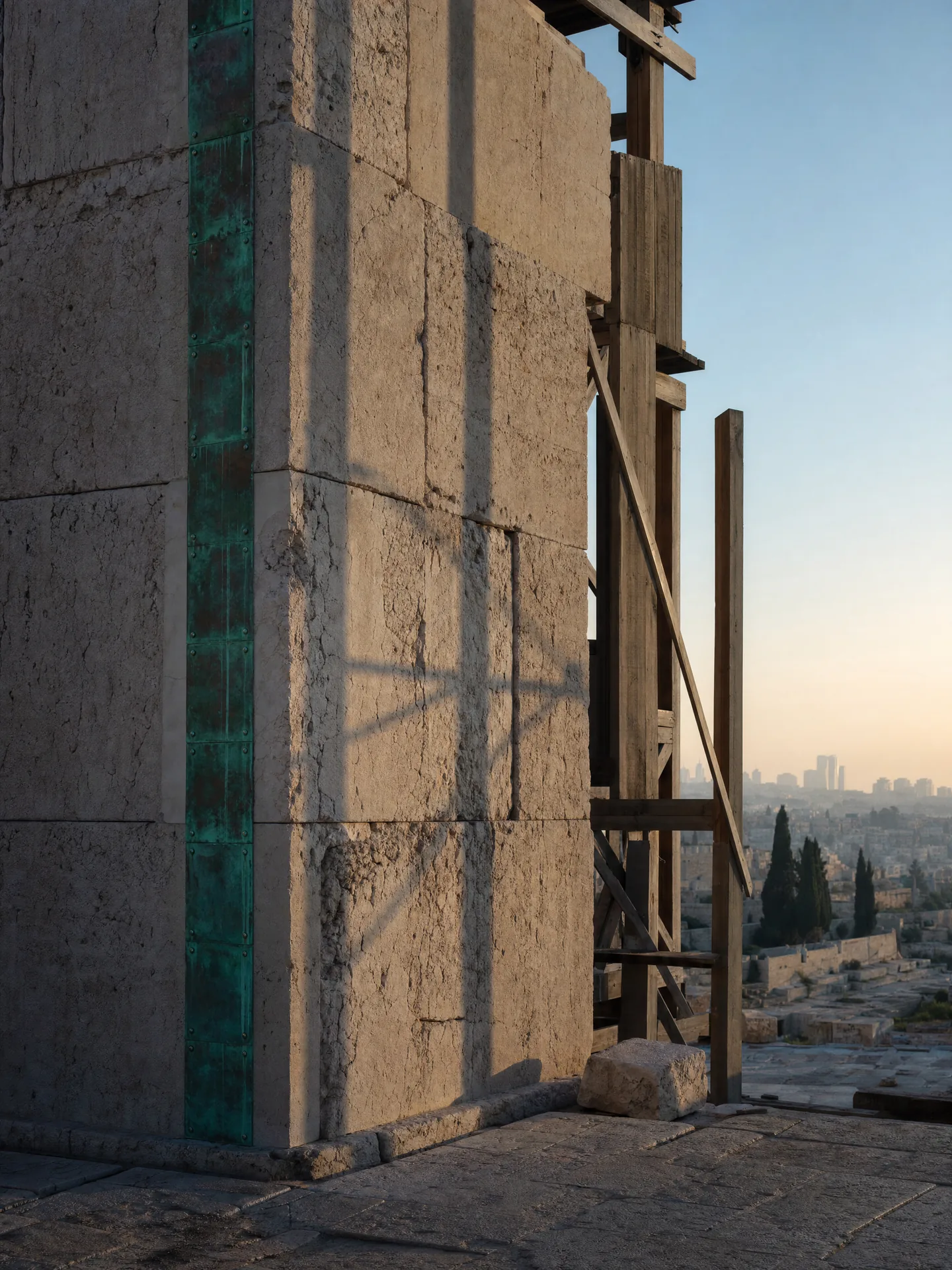
The second writing of a framework rebuilt after its own dissent: what Jewish thought owes the modern human capacity to prevent suffering at scale.

A personal case for belief as the human baseline, tested against grief, history, doubt, and commandment.

AI weakens the old bandwidth objection to omniscience, then exposes the harder question: what kind of knower could know everything without turning a person into a thing?
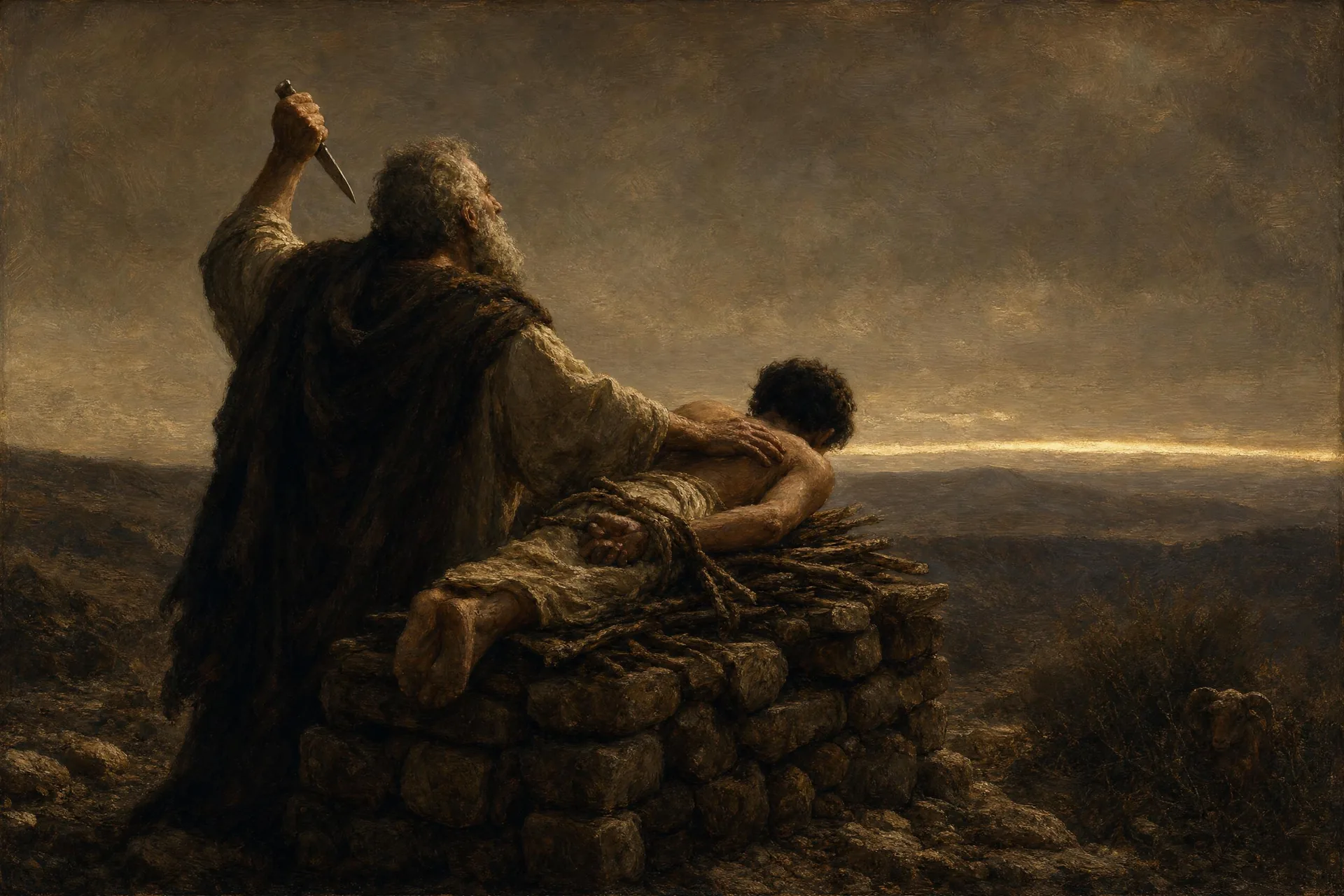
Three voices shape a covenantal conscience: protest at Sodom, surrender at the Akedah, and the command that stops the knife.

Can a death belong to God’s plan while freedom, responsibility, protest, and repair remain real? An essay about holding both truths without turning mystery into an excuse.

Can the God beyond all need also ache beside a hospital bed? An essay about contradiction, mystery, and the discipline of holding two truths without believing anything at all.

The body was rescued. The harder question begins after rescue: what is a healed life for?
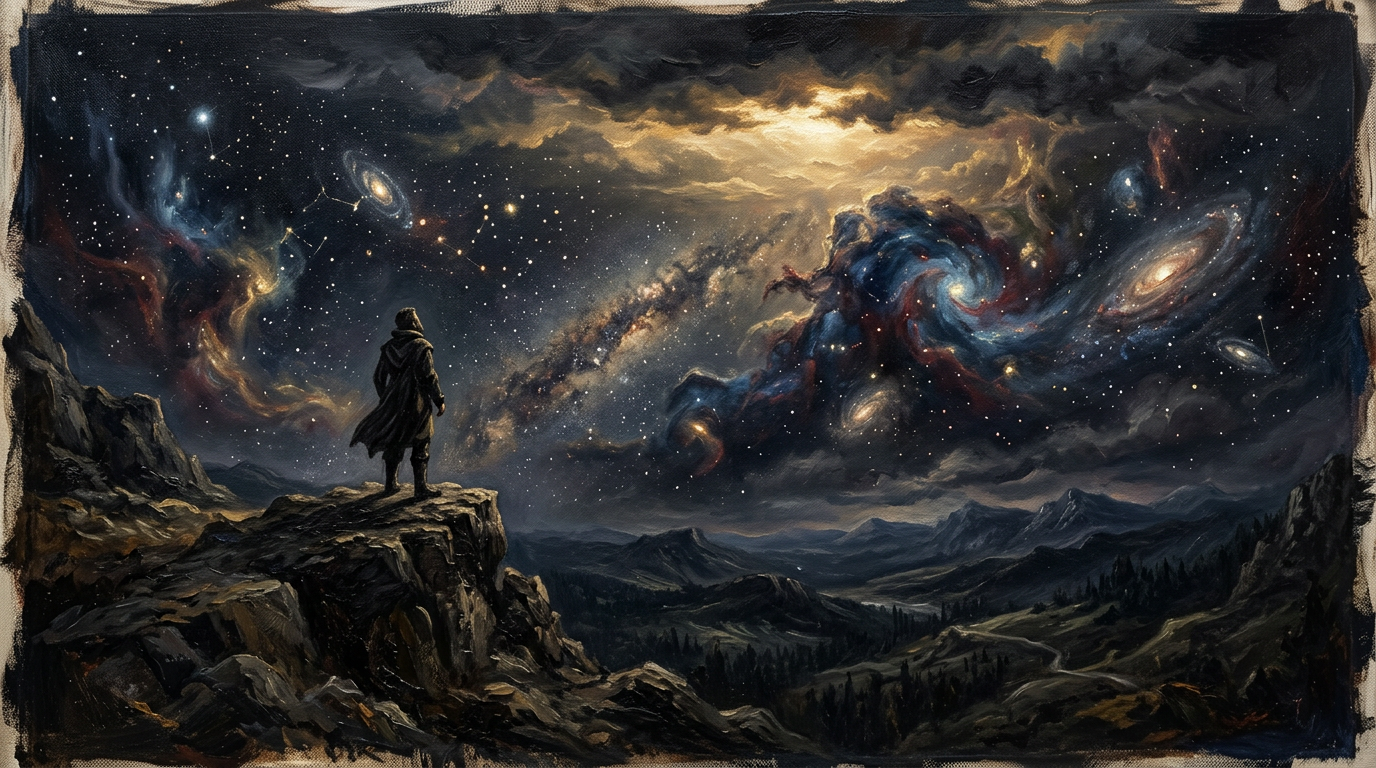
David Deutsch offers one of the strongest secular accounts of knowledge, freedom, progress, and beauty. What changes when the universal explainer discovers that a person is also addressed?

Halakhah can change, but not from nowhere. An essay about Torah from Sinai, mesorah, great halakhic authority, exile, Rav Kook, and the wide field of renewal inside a binding covenant.
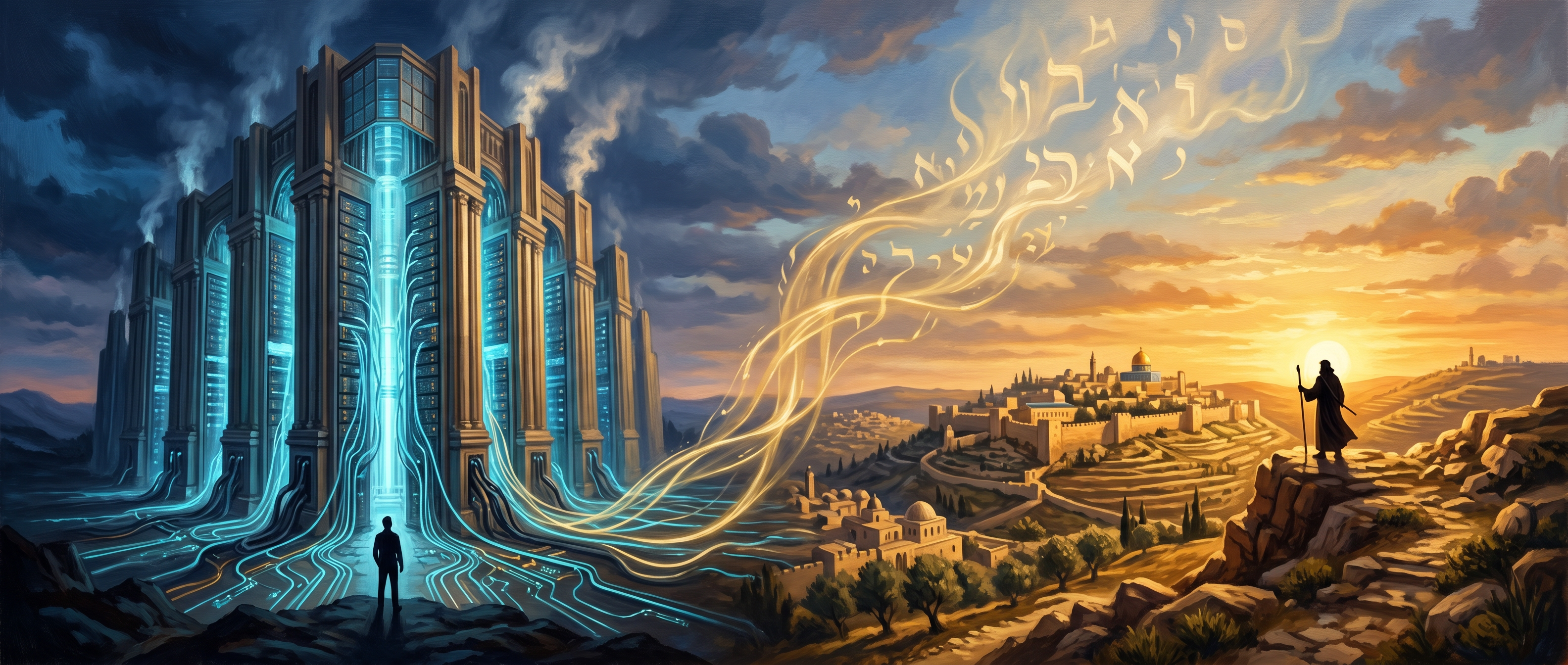
In Hebrew year 5786, AI builders sound uncannily like prophets: abundance, transformed labor, prolonged life, and intelligence filling the world. What technology can build, and what only a human soul can become.
When modern moral discomfort confronts halakhah, how do we know whether it has revealed a neglected truth or asked the covenant to surrender its authority?
Each additional child expands a family’s surface area of risk. If flourishing were the highest measure, the calculation would eventually say fewer. A mitzvah changes who has the final word.
Between one question and the next
Pages move. Light changes. A thought waits for the reader who will carry it farther.
Not a set of answers. A set of doors into the questions that shape a believing life.
About the author and the project
I am trying to bring emunah, technology, history, the human person, and the search for purpose into one conversation.
The Emuna Essays is a personal project by AJ Orbach, cofounder of Triple Whale. It grows from two lives that are often kept separate: building technology at the frontier of AI, and learning from Torah as a living tradition.
The aim is not to force tradition and modernity into an easy harmony. It is to let emunah, technology, history, human experience, and purpose challenge one another until a more truthful picture of the future begins to emerge.
These essays are also the record of an author thinking in public. English and Hebrew stand beside one another so that the language of inquiry and the language of inheritance can remain in dialogue.
The method matters too. This note explains how reading, dictation, dyslexia, revision, and AI become a collaborative writing practice without surrendering authorship.
Read how I write with AIIn conversation with
The work is rooted first in Tanakh, Talmud, and the long argument of the Jewish tradition, while remaining in active conversation with thinkers shaping science, technology, reason, and the modern human condition.
Jewish thinkers
General thinkers
These are not endorsements of a single system. They are partners, provocations, and sometimes opponents in the search for a Jewish account of reality large enough for the age ahead.
Why now
Artificial intelligence is not merely another tool. It is a civilizational force that will change what human beings can know, make, delegate, desire, and become.
The future will look very different from the present. AI will reorganize work, education, creativity, authority, intimacy, politics, and the production of meaning. It will expand human power while making our uncertainty about the human purpose impossible to ignore.
That is why mesorah cannot remain at the edge of the conversation. A tradition formed through centuries of argument about creation, covenant, knowledge, law, dignity, responsibility, and human limits must be brought directly into the encounter with transformative technology.
The world needs the guidance of Torah not to retreat from the future, but to enter it with a deeper account of human dignity, responsibility, limits, and purpose. The next stage of human evolution must be accompanied by a new level of moral seriousness.
Letters from the archive
Occasional notes on faith, Jewish thought, the inner life, and the strange frontier between human questions and intelligent machines.